

On this page 26 sections
- Build a High-Performing Restaurant Team
- Hire for Hospitality First
- Transform Onboarding into Empowerment
- Invest in Continuous Training and Retention
- Engineering Your Menu for Maximum Profitability
- Understanding Your Menu Matrix
- Menu Engineering Matrix Quick Wins
- Design and Language That Sells
- Smart Pricing Strategies
- Driving Off-Premise Sales in the Digital Age
- Build Your Digital Front Door
- First-Party vs. Third-Party Delivery
- The Lasting Impression of Packaging
- Crafting Guest Experiences That Boost Spending
- Turning Servers into Guides
- The Power of Service Recovery
- Optimizing Every Guest Touchpoint
- Filling Your Seats with Smart Marketing
- Optimize Your Digital Curb Appeal
- Turn Social Media Scrolls into Sales
- Create Offers That Drive Traffic Without Devaluing Your Brand
- Your Questions, Answered
- What Is the Fastest Way to Get a Sales Bump?
- How Do I Get More People in the Door on a Tuesday Night?
- Do I Really Need to Be on Social Media?
- Are Third-Party Delivery Apps Worth It?
Forget the marketing funnels and menu tweaks for a second. If you really want to increase sales, the work starts with your team. A motivated, well-trained crew is your single most powerful asset for creating the kind of guest experiences that drive repeat business and naturally boost the bottom line.
Build a High-Performing Restaurant Team
Before you do anything else, you have to build a team that can execute your vision. Your people are the face of your brand, the engine of the guest experience, and the drivers of every dollar that comes through the door. A disengaged or poorly trained team will sink even the best food, while a killer team becomes your ultimate advantage.
Too many operators see staffing as just another line item on the profit and loss statement. That’s a huge mistake. The link between happy, skilled employees, and a healthy bottom line is direct and undeniable. When your people feel valued and confident, they deliver the kind of genuine hospitality that turns a simple meal into a memorable night out.
Hire for Hospitality First
You can teach someone to carry three plates or memorize a wine list. What you cannot easily teach is a genuine sense of hospitality. When you are hiring, look past the technical skills and prioritize candidates who show real empathy, a positive attitude, and an authentic desire to take care of people.
To find these traits, you have to go beyond the standard interview script. Ditch the generic questions and use real-world scenarios to see how they think on their feet:
- “A regular guest comes in and you can tell they are having a rough day. What do you do?” This reveals their emotional intelligence.
- “Tell me about a time you went out of your way for a customer.” This shows you what their personal standard for service looks like.
- “What does hospitality mean to you?” This simple question gets right to the heart of their service philosophy.
When you build a team around a shared definition of hospitality, you create a consistent, welcoming vibe that guests feel the moment they walk in. For a deeper dive, check out our guide on how to build high-performing teams for more detailed strategies.
Transform Onboarding into Empowerment
Your onboarding process is your first and most important shot at training. It’s where you set the tone for an employee's entire journey with you. Do not just hand them a handbook and show them the locker room.
A truly great onboarding program is a full immersion into your brand, your culture, and your standards. Think detailed menu tastings, role-playing upselling scenarios, and clear conversations about how their specific role moves the needle for the entire restaurant. When a new server understands why a dish is a signature or how a wine pairing actually elevates the meal, they can sell it with genuine enthusiasm, not just a memorized script.
Empowered employees are profitable employees. When your team understands the “why” behind the “what,” they shift from order-takers to experience-creators, and that is where real sales growth happens.
Invest in Continuous Training and Retention
Training is not a one-and-done event. In a tough economy where, according to the National Restaurant Association, 42% of operators reported their businesses were not profitable, one of the smartest moves you can make is investing in ongoing staff development.
The numbers do not lie. A study from the Cornell Hospitality Research Center found that restaurants with solid training programs can see a significant boost in customer satisfaction. That satisfaction translates directly into repeat visits, which can boost sales by as much as 25% annually. A well-trained team can turn a slow night around with personalized service, which also pumps up tips and drastically cuts down on costly turnover. You can explore more on these industry trends from the National Restaurant Association's report.
This kind of ongoing development creates a culture of excellence and shows your team you are invested in their future. That’s how you build a crew of brand ambassadors who are fired up to help you figure out how to increase sales in your restaurant, every single shift.
Engineering Your Menu for Maximum Profitability
Your menu is so much more than a list of what’s coming out of the kitchen. It’s your single most powerful sales tool. When you design it with intention, it quietly steers guests toward your most profitable dishes, nudges the average check size up, and has a massive impact on your bottom line. Seriously, treating your menu like a strategic asset is one of the smartest things you can do to drive sales.
The first move is to get out of the guessing game and into the data. You absolutely have to know which items are your moneymakers and which are just taking up space. This whole process is called menu engineering, and it boils down to sorting every single dish by how popular it is (how often it sells) and how profitable it is (its contribution margin).
Understanding Your Menu Matrix
Every dish you serve fits into one of four buckets. Once you know where everything lands, you can start making smart, revenue-boosting decisions instead of just going with your gut.
- Stars: These are your rockstars—high popularity, high profitability. Your guests love them, and they make you great money. Your job here is simple: highlight them, talk them up, and never, ever 86 them.
- Plowhorses: People love these dishes, but they do not do much for your profit margins. They sell like crazy but have low profitability. The trick here is to see if you can tweak the recipe to bring the food cost down or maybe bump the price just a touch without scaring anyone off.
- Puzzles: These are the head-scratchers. High profit, but low popularity. When they do sell, they’re great for the bottom line, but they just are not moving. You’ve got to play detective. Is it the price? The name? Where is it hiding on the menu? A killer description or a better spot can often turn a Puzzle into a Star.
- Dogs: These are your underperformers. Low popularity and low profitability. They’re dead weight on your menu. In most cases, the best move is to just cut them loose and make room for something better.
This chart drives home the point that a well-trained, happy team is directly connected to sales growth. When your people are confident and satisfied, the service they provide creates the kind of experience that brings people back.
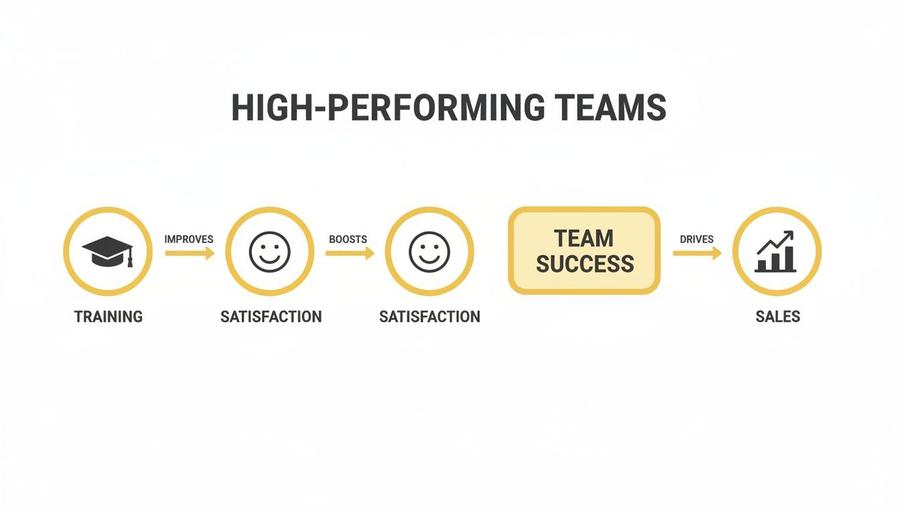
It’s pretty clear: putting time and resources into your team is not just about creating a good vibe. It is a direct line to a healthier P&L.
Menu Engineering Matrix Quick Wins
Once you’ve categorized your dishes, this simple matrix can help you decide what to do next. It’s all about taking quick, decisive action to improve your menu’s performance.
This is not a one-and-done task. Revisit this analysis quarterly to stay ahead of changing costs and customer tastes.
Design and Language That Sells
After you’ve crunched the numbers, it’s time to think like a designer. The way you lay out your menu can seriously influence what people order. Some studies show that a well-designed menu alone can boost profits by 10% to 15%.
Think about the “golden triangle”—the concept that a diner's eyes naturally go to the middle of the menu first, then to the top right, and finally the top left. This makes the center of your page prime real estate. Put your Stars there.
Your menu's language should sell an experience, not just a plate of food. Instead of “Chicken Breast,” try “Pan-Seared Chicken with a Rosemary-Garlic Glaze.” Descriptive words make dishes sound more appealing and can justify a higher price point.
Here is another trick that works wonders: get rid of the dollar signs. Research has shown that guests tend to spend more when prices are listed as plain numbers (e.g., “24” instead of “$24.00”). It’s a small psychological shift that de-emphasizes cost and keeps the focus on the food.
Smart Pricing Strategies
Pricing is a constant balancing act. You have to protect your margins without making guests feel ripped off. It all starts with knowing your numbers, cold. You must accurately cost out every single ingredient in every recipe. If you need a refresher, check out our deep dive on calculating your food cost percentage.
With ingredient costs all over the place, it is essential to review your menu pricing at least twice a year. But do not just raise everything across the board. Make small, strategic adjustments to individual items, especially your Plowhorses. Your regulars are less likely to notice, and you’ll protect your profitability from inflation.
Driving Off-Premise Sales in the Digital Age
The modern restaurant experience no longer stops at your dining room door. Today’s guests expect to enjoy your food wherever they are, which means a smart off-premise strategy is not just an add-on—it is a core part of the business. Mastering online ordering, takeout, and delivery is absolutely essential for growing sales in this market.
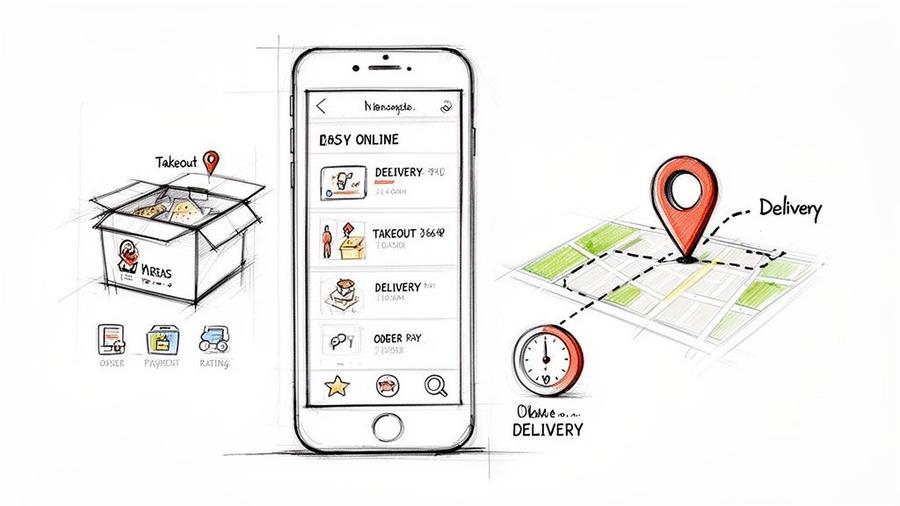
This shift means you have to create a seamless digital journey for your customers. It starts the second they find you online and ends when they are enjoying a fantastic meal at home. Success here is all about getting every touchpoint right, from an intuitive online menu to packaging that actually protects the quality of your food.
Build Your Digital Front Door
Think of your online ordering system as your digital storefront. If it is clunky, confusing, or slow, you will lose people before they can even decide what they want. The goal is to make it as easy and tempting as possible for guests to give you their business.
You need to invest in a clean, mobile-friendly interface loaded with high-quality photos of your dishes. A picture of a juicy burger is always going to sell better than a line of text. Make sure the menu is simple to navigate, with clear categories and easy customization options. The fewer clicks it takes to order, the more orders you will get.
The data is clear: customers have fully embraced off-premise dining. A staggering 77% of consumers order takeout or delivery every month, and online ordering is growing 300% faster than in-house dining. Operators who embrace technology are seeing real results, with some reporting inflation-adjusted sales growth of 1.2% year-over-year. You can explore more insights on these economic trends in a report from the National Restaurant Association.
This is not just a trend; it is a massive opportunity to connect with guests and drive serious revenue through smart, user-friendly tech.
First-Party vs. Third-Party Delivery
One of the biggest decisions you will face is how to get the food to the customer. You can manage it yourself (first-party) or partner with platforms like DoorDash or Uber Eats (third-party). Each path has its own set of trade-offs.
- Third-Party Platforms: These apps get you in front of a massive audience you might not otherwise reach. That visibility comes at a steep price, though, with commission fees often hitting 15% to 30% of every order. You also lose control over the customer data and the delivery experience itself.
- First-Party (Direct) Ordering: This means setting up your own online ordering system right on your website. You keep all the revenue (minus credit card fees) and, just as importantly, you own the customer relationship. This lets you build a direct connection, run targeted marketing, and encourage repeat business without paying those hefty commissions. The challenge, of course, is handling the delivery logistics yourself or with a white-label service.
For many, a hybrid approach works best. Use third-party apps as a customer acquisition tool to get discovered. But then, slip marketing materials in your delivery bags—like a QR code with a discount for their next order—to drive them to order directly from your website next time. If you are weighing your options, our guide to the top restaurant apps can be a big help.
The Lasting Impression of Packaging
Your food can be incredible, but if it shows up cold, soggy, or spilled, the whole experience is shot. A huge part of a successful off-premise strategy comes down to choosing the right takeaway boxes that protect food quality and represent your brand well.
Invest in packaging that’s not just functional but also feels like it came from your restaurant. Vented containers are a must for fried foods to keep them from getting steamy and soft, while sturdy, insulated bags keep hot items hot and cold items cold. Think of your packaging as the final handshake—it’s your last chance to make a great impression.
Ultimately, a strong off-premise program turns the convenience your customers crave into a reliable and profitable revenue channel. By optimizing your digital presence, making smart choices about delivery, and never overlooking the details like packaging, you set your business up to thrive both inside and outside its four walls.
Crafting Guest Experiences That Boost Spending
Great food gets customers in the door, but it’s the experience that turns them into regulars who happily spend more. If you really want to learn how to increase sales in a restaurant, you have to look beyond the plate. The real magic happens when you transform a simple transaction into genuine hospitality, making every guest feel seen, valued, and cared for.
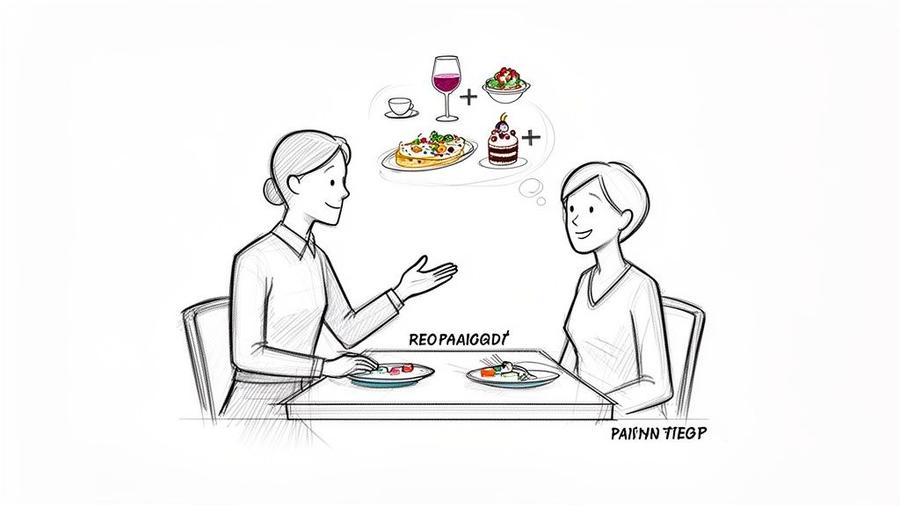
It all starts by empowering your team to be more than just order-takers. They’re guides, curators of the experience. When you shift the mindset this way, upselling stops feeling like a pushy sales tactic and starts feeling like a helpful suggestion from a trusted expert.
Turning Servers into Guides
Your front-of-house staff are on the front lines, and their ability to connect with guests directly impacts your bottom line. Training them to read cues and make personal, thoughtful recommendations is a total game-changer.
It’s the difference between asking, “Want an appetizer?” and saying, “Since you love the seared scallops, you have to try the crispy calamari. The chef uses a similar citrus marinade, and it’s perfect for sharing.” See the difference? One is a question, the other is an invitation.
This kind of intuitive service requires deep menu knowledge and confidence. Here are a few practical training exercises we’ve seen work wonders:
- Daily Tastings: Before each shift, have your team taste one or two dishes. When they can describe flavors from personal experience—“It has this amazing smoky finish”—their recommendations become authentic and irresistible.
- Role-Playing Scenarios: Do not just talk about service, practice it. Set up real-world situations for staff to navigate, like a couple on a date night versus a family with young kids. This helps them tailor their approach on the fly.
- Pairing Challenges: Task servers with finding the perfect drink to go with a new menu item. This builds their expertise and gives them confident suggestions to offer tableside.
When your team feels like they are genuinely enhancing the meal, upselling becomes a natural part of great service. The check average goes up, and the guest feels taken care of. That is a win-win.
The Power of Service Recovery
Look, no restaurant is perfect. A steak gets overcooked, an order gets mixed up, or a reservation is mishandled. How you respond in these moments is what truly defines your commitment to hospitality. This is service recovery, and it’s your golden opportunity to turn a disappointed customer into one of your most loyal advocates.
A sincere apology and a quick fix are just the baseline. True service recovery goes a step further. It means empowering your staff to make things right on the spot without needing a manager’s approval for every little thing. This could be offering a complimentary dessert, comping an item, or providing a gift card for a future visit.
When you fix a problem with genuine care and generosity, you’re not just saving a single sale. You’re building a relationship and showing that you value the guest’s experience above all else. That’s an investment that pays off in long-term loyalty, every single time.
Optimizing Every Guest Touchpoint
The guest experience is a journey, not just a meal. It is a string of small moments, and each one is a chance to make a positive impression. Think about every interaction a customer has with your restaurant, from their first click on your website to the final “goodbye” at the door.
Even something as simple as guest Wi-Fi can be an opportunity. It can enhance the dining atmosphere and help you gather valuable insights. If you want to dive deeper, there is a complete guide to restaurant Wi-Fi that breaks down how this technology can improve satisfaction and provide useful data.
Ultimately, it is the small enhancements at each touchpoint—a warm greeting, a spotless restroom, a simple and sincere “thank you”—that add up to a powerful overall experience. That’s what encourages guests to return and, yes, spend more.
Filling Your Seats with Smart Marketing
A great menu and flawless service are the heart of your restaurant, but they cannot grow the business if the dining room is empty. To really drive sales, you need a smart, strategic marketing plan that keeps you top-of-mind and consistently brings people through the door.
This is not about just posting a few pictures on Instagram. It’s about building a repeatable system for filling seats by reaching the right people, with the right message, where they are already looking.
Optimize Your Digital Curb Appeal
Before anyone steps through your door, they find you on their phone. Your online presence is your new front door, and for most potential guests, Google is the first stop. In fact, research shows that one in three people discover and book restaurants through a simple Google search.
This makes your Google Business Profile one of the most powerful and free marketing tools you have. An optimized profile is your digital billboard. Make sure it’s dialed in with:
- High-quality photos: Show off your best dishes, the vibe of your dining room, and your team's energy.
- Accurate information: Keep your hours, address, and phone number updated. Nothing kills a potential visit faster than wrong info.
- Direct links: Add links for reservations and online ordering to capture that impulse to book or buy on the spot.
Beyond your profile, local Search Engine Optimization (SEO) is huge. This is what helps you show up when someone searches for “best brunch in downtown” or “patio dining near me.” Weaving these kinds of keywords into your website and menu descriptions makes it much easier for hungry locals to find you instead of the competition.
Turn Social Media Scrolls into Sales
Social media is way more than a photo album for your food—it’s a massive discovery engine. A recent study found that 49% of diners in the U.S. use social media to find and book restaurants. Platforms like Instagram, TikTok, and Facebook are essential for building a community and driving actual business.
The key is to create content that feels real. Go beyond static food shots. Show the energy of your restaurant. Post behind-the-scenes videos from the kitchen, introduce your team members, and tell the stories behind your ingredients.
Your marketing should feel like a conversation, not an advertisement. When you show the real people and passion behind your restaurant, you build a genuine connection that makes followers want to come in and experience it for themselves.
And do not forget the call to action. Make it ridiculously easy for followers to become customers by putting direct reservation and ordering links right in your bio.
Create Offers That Drive Traffic Without Devaluing Your Brand
Promotions are a great tool for attracting new faces and filling seats on slower nights, but you have to be strategic. Slashing prices can hurt how people see your brand and attract one-and-done bargain hunters. Instead, create compelling offers that provide genuine value.
Consider these smarter promotional tactics:
- Prix-Fixe Menus: Offer a multi-course meal at a set price on a slow Tuesday or Wednesday. This tactic encourages visits during off-peak hours and often boosts the average check size.
- Themed Events: Build some buzz with a special wine-pairing dinner, a tap takeover with a local brewery, or a seasonal menu launch party. Events create a sense of urgency and give people a specific reason to book now.
- Loyalty Programs: Reward your regulars. A simple program where guests earn points on their spending encourages repeat business—the bedrock of a truly profitable restaurant.
By building out a complete restaurant marketing plan, you can make sure every dollar you spend is working to bring more people through your doors. The final piece is tracking your results. Watch which offers perform best and which channels drive the most reservations. That data allows you to refine your strategy over time, making every marketing effort more effective than the last.
Your Questions, Answered
As you start putting these strategies to work, questions are bound to pop up. We get it. Here are some of the most common ones we hear from operators, along with straight answers to help you move forward.
What Is the Fastest Way to Get a Sales Bump?
Honestly? The quickest win is almost always empowering your team to upsell and cross-sell. You are working with the customers already in your building, which makes it incredibly efficient.
Instead of a generic, “What can I get you to drink?” train your servers to suggest a specific, high-margin cocktail by name. Teach them to recommend a popular appetizer that they know pairs perfectly with the guest's chosen entrees. These are not pushy sales tactics; to the guest, they feel like thoughtful, expert recommendations. It’s a simple shift that can immediately lift your average check size without a dime spent on marketing.
How Do I Get More People in the Door on a Tuesday Night?
Slow nights are your lab. They’re the perfect time to experiment with targeted promotions that create real buzz and give people a reason to come out. Forget generic discounts that can cheapen your brand. Think about creating a special experience instead.
- Prix-Fixe Menus: Put together a compelling three-course meal at a set price that feels like a steal. It’s a great way to drive traffic on a Tuesday or Wednesday.
- Themed Events: Give people something to talk about. A “Taco Tuesday,” a wine tasting event, or a “Meet the Brewer” night with a local partner creates a specific reason for someone to choose you over staying home.
- Loyalty Perks: Reward your regulars. Offer double points or an exclusive special just for your loyalty members on those slower days. It makes them feel like insiders.
Do I Really Need to Be on Social Media?
Yes. Full stop. A solid social media presence is not a “nice-to-have” anymore. Recent data from a study by MGH shows that 49% of diners in the U.S. use social media to find and choose restaurants. It is where your community lives.
The goal is not just to post pretty food photos. It’s about showing your restaurant's soul. Share behind-the-scenes moments, introduce the people on your team, and tell the stories behind your best dishes. That’s how you build a real connection that gets people through the door.
Are Third-Party Delivery Apps Worth It?
This is a tough one. On one hand, apps like DoorDash and Uber Eats can be a massive engine for getting new customers. They put your menu in front of a huge audience that might never have found you otherwise.
On the other hand, those commission fees—which can eat up 15% to 30% of the sale—are brutal on your margins. A smart play is to use the platforms for discovery, but then work to convert those customers into your own. Tuck a flyer with a discount code into every delivery bag encouraging people to order directly from your website next time. Use the apps to get found, then build the direct relationship yourself.
At MAJC, we build the tools, training, and community that help operators like you solve these exact problems and build a more profitable restaurant. From expert-led workshops on menu engineering to a full library of staff training templates, our platform is designed to help you execute. Join our community of dedicated operators and learn the systems that drive real sales growth. Learn more about MAJC.