

On this page 24 sections
- Why Team Morale Is Your Most Valuable Asset
- The Real Cost of Neglecting Your Team
- A Foundation for Success
- Uncovering the Real Reasons for Low Morale
- Moving Beyond Surface-Level Complaints
- Using Anonymity to Encourage Honesty
- Building a Culture of Authentic Recognition
- Go Beyond Generic Praise
- Implement a Peer-to-Peer System
- Celebrate the Whole Person
- Creating Real Opportunities for Career Growth
- Build Growth Pathways on a Budget
- Connect Development to Tangible Rewards
- Championing Team Wellbeing and Mental Health
- From Burnout Culture to a Supportive Environment
- Fostering Psychological Safety
- Connecting Your Team to Real Resources
- Putting Your Morale-Boosting Plan Into Action
- Defining Your Initiatives and Metrics
- Morale Improvement Action Plan Template
- Common Questions on Turning Morale Around
- Where Do I Even Start if Morale Is in the Gutter?
- How Much of a Budget Do I Need for This?
- How Long Until I See a Real Difference?
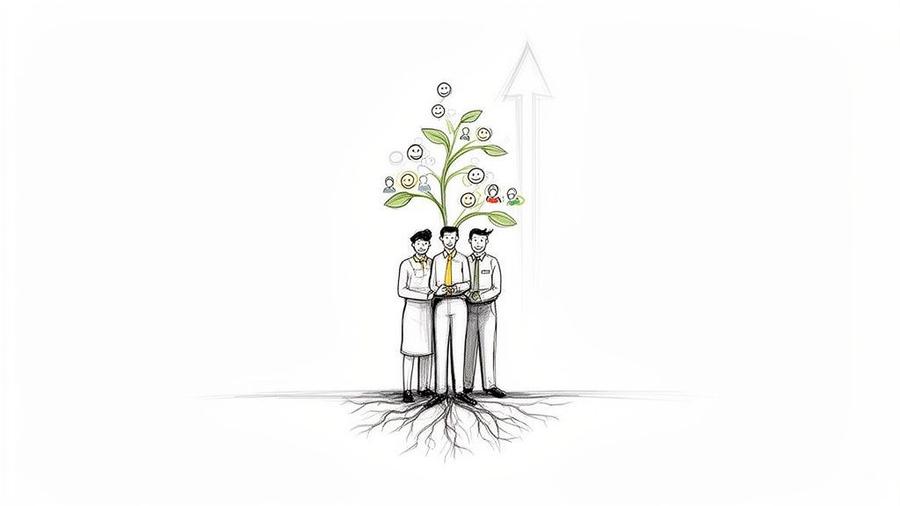
Improving team morale isn't about throwing a pizza party and hoping for the best. It’s about building a positive workplace culture, genuinely recognizing your team's contributions, and giving people clear opportunities to grow. These aren't just feel-good ideas; they're the foundation of a business that lasts.
Why Team Morale Is Your Most Valuable Asset
Let's be blunt: low morale is a direct threat to your bottom line. In the high-pressure world of hospitality, a disengaged team means poor guest experiences, sloppy service, and a revolving door of staff. When your people feel drained and unappreciated, that energy inevitably spills over to your customers.
Think of morale as the engine of your restaurant or hotel. A well-maintained engine runs smoothly and reliably. A neglected one sputters, breaks down, and costs a fortune to fix. Investing in your team’s well-being is a strategic move that pays for itself through higher retention and a stronger, more resilient operation.
The Real Cost of Neglecting Your Team
The link between a happy team and a healthy business is undeniable. The hospitality industry is notorious for employee turnover that can soar to 70-80% annually, and a negative work environment is a primary driver of that exodus.
But here's the flip side: when you actively work to improve that environment, customer satisfaction scores can climb by as much as 12%. Happy people do better work. It’s that simple.
This guide gives you practical, operator-tested solutions to help you build a team that actually wants to stay and grow with you. We will skip the fluff and focus on the pillars of a high-morale workplace:
- Authentic Recognition: Moving beyond a generic "good job" to make your team feel genuinely seen for their specific contributions.
- Clear Communication: Creating an environment where feedback flows freely, respectfully, and without fear.
- Meaningful Growth: Offering real opportunities for professional development and career advancement, not just dead-end jobs.
- Supportive Leadership: Equipping managers with the tools to lead with empathy, fairness, and consistency.
A Foundation for Success
Fixing morale requires building sustainable systems that address the root causes of disengagement. By focusing on how to improve workplace culture, you create a positive feedback loop. Your team feels supported, so they deliver exceptional service. Guests are happier, and the business thrives.
A great guest experience is a direct reflection of a great employee experience. When your team is energized and engaged, they don’t just serve customers; they create loyal advocates for your brand.
This roadmap will walk you through diagnosing the real issues, implementing some quick wins, and establishing long-term strategies. By the end, you'll have a clear plan to turn your team's morale from a recurring problem into your most significant competitive advantage.
Uncovering the Real Reasons for Low Morale
You can feel it before anyone says a word. The energy in the pre-shift meeting is heavy. Service standards are starting to slip. When morale is low, it’s tempting to guess at the cause and jump to a quick fix, but assumptions rarely solve the real problem.
To turn things around, you have to dig deeper. You need to understand what's really broken from your team’s perspective. This isn’t about launching a formal investigation; it’s about creating consistent, safe opportunities for people to tell you the truth. It's about listening without getting defensive and proving that you're serious about making things better.
Moving Beyond Surface-Level Complaints
A quiet team isn't always a happy team. More often, it’s a team that has given up trying to be heard. You have to be the one to initiate the conversation and replace your assumptions with actual insight.
It’s a critical first step. A survey from Slack highlighted some usual suspects for low morale: a lack of recognition, weak leadership, and no clear path for growth. Your job is to figure out which of these, or something else entirely, is hitting your crew the hardest.
One-on-one check-ins are your best tool for this. These aren't performance reviews. Frame them as casual, supportive chats focused entirely on their experience at work.
Pull someone aside for five minutes and ask a few open-ended questions. Try these:
- "What's one thing we could change in our daily routine that would make your job less frustrating?"
- "When was the last time you felt genuinely proud of the work you did here? What was going on that day?"
- "If you had a magic wand, what's the first thing you'd fix about how our team works together?"
- "Do you feel like you have everything you need—tools, training, and support—to actually win in your role?"
The most important part? Just listen. Fight the urge to defend a process or correct someone's perception. Your only job right now is to gather information.
Using Anonymity to Encourage Honesty
As valuable as face-to-face conversations are, some of your staff will only share what’s really on their mind if they can do it anonymously. That's where simple, confidential surveys come in.
You don't need fancy software; a free tool like Google Forms is perfect. Keep it short and to the point. Mix in a few multiple-choice questions with open-ended ones so you get both hard data and honest opinions.
Saying, "We heard you, and here's what we're going to do about it," is one of the fastest ways to build trust. Don't just collect the feedback and disappear. Share the key takeaways with the team, and share your action plan.
Focus your questions on the areas that hit hardest in hospitality:
- Scheduling: Is it fair, predictable, and flexible?
- Management: How’s the communication, and do people feel supported?
- Team Dynamics: Is there respect and collaboration, or just tension?
- Workload: Is the pace sustainable, are there enough people on the floor, and can people actually take a break?
Pay attention to the non-verbal cues, too. A sudden drop in upselling, more people clocking in late, or a breakroom that’s gone completely silent—these are all symptoms of a deeper issue.
When you combine these observations with direct feedback, you get the full picture. Once you see the root causes clearly, you can start making changes that matter, including tackling those tough interpersonal issues. For more on that, check out our guide on how to handle employee conflicts and get your team back on solid ground.
Building a Culture of Authentic Recognition
A quick "good job" during a chaotic shift is nice, but it's not the kind of thing that builds lasting morale. In the high-pressure world of hospitality, real recognition has to be consistent, specific, and genuine to land. When your team members feel truly seen for their contributions, they don’t just work harder—they become more engaged, motivated, and loyal.
Creating a culture of authentic recognition doesn't demand a huge budget. It demands intention. It’s about building systems that celebrate both the big wins and the small, everyday efforts that keep your restaurant or hotel running. This is a non-negotiable for improving team morale because it taps into a core human need: to feel valued.
Go Beyond Generic Praise
The difference between a forgettable compliment and one that sticks is all in the details. Instead of a generic, "Great job on your shift last night," dig a little deeper.
For instance, pull a server aside and say, “I saw how you handled that difficult table with patience and professionalism. You turned a tense situation into a positive one, and that’s a huge win for us.” This kind of feedback shows you're paying attention. Since a lack of recognition is a primary driver of low morale, making your praise count is essential.
A few tips to make recognition more impactful:
- Tie it to a specific action. Connect the praise directly to something they did.
- Explain the impact. Show them how their action helped a guest, the team, or the business.
- Do it promptly. In-the-moment feedback is far more powerful than saving it for a weekly meeting.
Implement a Peer-to-Peer System
While recognition from a manager is vital, praise from colleagues can be just as powerful—sometimes even more so. It builds real camaraderie and reinforces the positive behaviors you want to see across the entire team.
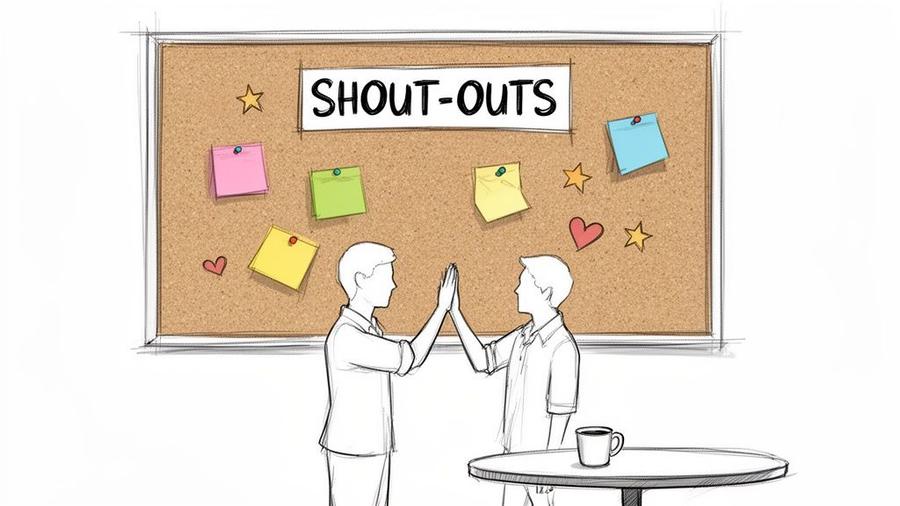
One of the easiest ways to get this going is with a peer-to-peer shout-out system.
Set up a “Shout-Out Board” in the breakroom with a stack of sticky notes. Encourage team members to publicly acknowledge a coworker who helped them out, went the extra mile for a guest, or just brought a great attitude to a tough shift. Reading a few of these notes during pre-shift can become a powerful daily ritual that starts everyone’s day on a high note.
Recognition is a renewable resource. The more you give it away, the more you get back in the form of a motivated, cohesive team that feels genuinely appreciated for their hard work.
This approach takes the pressure off managers to be the sole source of praise. It empowers everyone to celebrate each other's successes, making recognition a shared responsibility. If you're looking for more creative ways to build this into your routine, check out these employee recognition program ideas.
Celebrate the Whole Person
Your team members are more than their job titles. They have lives, hobbies, and personal milestones happening outside of work. Acknowledging these moments shows you care about them as people, which builds a much deeper sense of loyalty.
Don't just celebrate work anniversaries. Broaden your focus.
- Personal Milestones: Did someone run their first marathon? Did a team member’s child graduate? A simple card signed by the team or a small gift can mean the world.
- Birthdays: Never let a birthday pass unnoticed. It doesn’t have to be a big party; a cupcake and a sincere "happy birthday" from the team goes a long way.
- Life Events: Recognize important personal events. Offer congratulations for weddings or condolences for losses when appropriate.
By creating multiple channels for recognition—from managers, from peers, and for both professional and personal achievements—you build a resilient culture of appreciation. This consistent, authentic approach ensures your team feels valued not just for what they do, but for who they are. That's the bedrock of a high-morale workplace where people want to stay and grow.
Creating Real Opportunities for Career Growth
Nothing kills motivation faster than feeling stuck in a dead-end job. When your team sees no clear path forward, their energy and engagement flatline. Showing them a real future with you is one of the most powerful ways to boost morale because it proves you’re invested in their success, not just their shift.
This isn't about dangling some vague manager title for "someday." It’s about building a culture of continuous learning where every team member can see their next step, even if it’s a lateral move to learn a new skill. That kind of investment turns a job into a career, giving your people a powerful reason to stay and grow with you.
Right now, the hospitality industry is dropping the ball here. Employee happiness in restaurants has tanked, with a reported 9% drop in eNPS since the start of 2023. A huge part of the problem? Only 39% of restaurants are even offering growth opportunities anymore, a sharp decrease from pre-pandemic levels. You can dig into the numbers in the full employee happiness index report.
When you buck that trend, you immediately stand out. You become the place ambitious people want to work, the ones looking to build a real future in this industry.
Build Growth Pathways on a Budget
Creating these opportunities doesn't have to blow up your budget. Some of the most effective strategies are low-cost, high-impact moves that tap into the talent you already have.
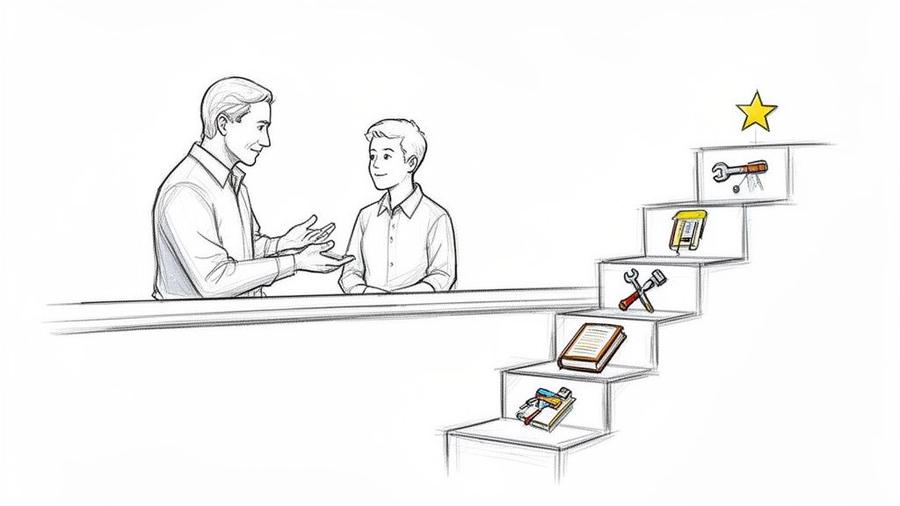
Think about the incredible knowledge your experienced staff holds. A simple mentorship or cross-training program can formalize how that wisdom gets passed down, creating wins for both the teacher and the student.
Here are a few ideas you can put into action this month:
- Mentorship Programs: Pair a veteran bartender with a new server who’s curious about learning the bar. This gives the server a clear goal and validates the bartender's expertise.
- Cross-Training: Let a line cook shadow the expeditor during a slower service. Not only does this upskill that cook, but it also builds a more flexible and resilient kitchen team for when things get crazy.
- Skill-Based Certifications: Invest in small, targeted wins. Sending a promising host to a one-day workshop on guest recovery or funding a basic sommelier certification for a server who loves wine shows a real commitment to their journey.
These aren't just about teaching skills. They create a culture where learning is celebrated and progress is something everyone can see.
Connect Development to Tangible Rewards
For any growth program to motivate people, it has to lead somewhere real. Learning a new skill is great, but if it doesn't eventually connect to better pay, more responsibility, or a more interesting role, the excitement will fizzle out.
You have to map this out clearly so your team knows exactly what their hard work is for. Don't just offer training; show them where it leads.
An investment in your team's growth is an investment in your restaurant's future. When you help people build their careers, they help you build your business.
Create a simple, transparent chart that shows how new skills translate into advancement. Something like this:
Skill/Training Acquired Potential Role Advancement Associated Reward Completed advanced barista training Becomes lead barista, trains new hires Hourly pay increase, added responsibility Cross-trained as an expediter Eligible for shift lead positions First consideration for internal promotions Earned basic sommelier certification Manages wine inventory and pairings Commission on wine sales, new title
This approach makes career progression feel achievable and fair. It's not about who you like; it's about what you know and what you’re willing to learn. By making the path clear, you replace uncertainty with a roadmap for success, giving your team the direction they need to thrive.
Championing Team Wellbeing and Mental Health
The hospitality industry runs on human energy. That energy isn't infinite. Long hours, high-pressure services, and the constant demand to be "on" can drain even the most passionate team members, leading directly to burnout—and burnout is a direct threat to morale.
Championing wellbeing isn’t about adding a fruit bowl to the breakroom. It’s about fundamentally changing how you operate to protect your team’s mental and physical health. It means creating an environment where work-life balance is a reality, not just a buzzword. When your team knows you respect their time and their humanity, they bring their best selves to work.
From Burnout Culture to a Supportive Environment
Genuine wellbeing starts with the basics. Things like unpredictable schedules and skipped breaks are classic hospitality problems that slowly chip away at trust and motivation. A few practical changes can make a world of difference.
Start by giving your team their schedules at least two weeks in advance. This simple act of predictability lets them plan their lives, reducing a huge source of stress and showing you respect their time outside of work. You also have to enforce breaks. A cook who actually gets a proper thirty minutes away from the line comes back recharged and focused. It's not a luxury; it's an operational necessity.
Beyond the schedule, you have to build a culture that respects time off. When someone is on vacation, they should be completely disconnected. A manager who texts a line cook on their day off about a prep list sends a clear message: your personal time doesn't really matter to us. That has to stop.
Fostering Psychological Safety
Wellbeing is also about how people feel when they are at work. You need to create psychological safety—the belief that you won't be punished or humiliated for speaking up with ideas, questions, or mistakes. An open-door policy is a decent start, but safety is built through actions, not just words.
It’s about how a manager calmly handles a difficult guest, protecting their server from abuse instead of throwing them under the bus. It's about a leader stepping onto the line to help during an unexpected rush, showing the team, "I'm in this with you." These are the moments of supportive leadership that build more trust and loyalty than any formal program ever could. You can learn more about preventing leadership burnout while supporting your team in our guide on how to run a restaurant without burning out.
The Gallup Q12 survey, a gold standard for employee engagement, highlights just how critical this sense of support is.
Questions like, "My supervisor, or someone at work, seems to care about me as a person," are directly tied to engagement. When your team feels cared for, their morale soars, and so does their performance.
Connecting Your Team to Real Resources
Talking about mental health is a great first step. Acknowledging initiatives like Mental Health Awareness Week can open up important conversations. But you also need to provide tangible, year-round support.
This could look like:
- Partnering with local resources: Compile and post a list of local mental health services or counseling centers your team can access confidentially.
- Hosting workshops: Bring in real experts to talk about practical skills like stress management, financial wellness, or conflict resolution.
- Using Employee Assistance Programs (EAPs): If you have an EAP, don't just mention it during onboarding. Regularly remind your team about the confidential support services available to them.
The impact here is huge. Gallup's 2023 findings show that engaged hospitality employees are the ones who deliver the discretionary effort crucial for staying competitive. What's more, when mental health and wellbeing are prioritized, 64% of workers report higher job satisfaction.
When you make wellbeing a core part of your leadership strategy, you're not just preventing burnout. You're building a resilient, loyal, and high-performing team that can handle the pressures of hospitality and deliver exceptional guest experiences every single day.
Putting Your Morale-Boosting Plan Into Action
Ideas are a great starting point, but execution is what creates real change. You've dug into the root causes and brainstormed some solid strategies around recognition, growth, and wellbeing. Now it's time to turn those insights into a concrete plan that moves the needle.
A successful plan needs clarity. This isn't about adding more to your plate; it’s about working smarter to build a high-morale culture that lasts. You need to outline your initiatives, set realistic timelines, and define exactly what success looks like. When you track the right things, you can draw a straight line from your efforts to improvements in turnover, absenteeism, and even guest satisfaction.
The process below breaks down team wellbeing into three core areas for action: scheduling, breaks, and support.
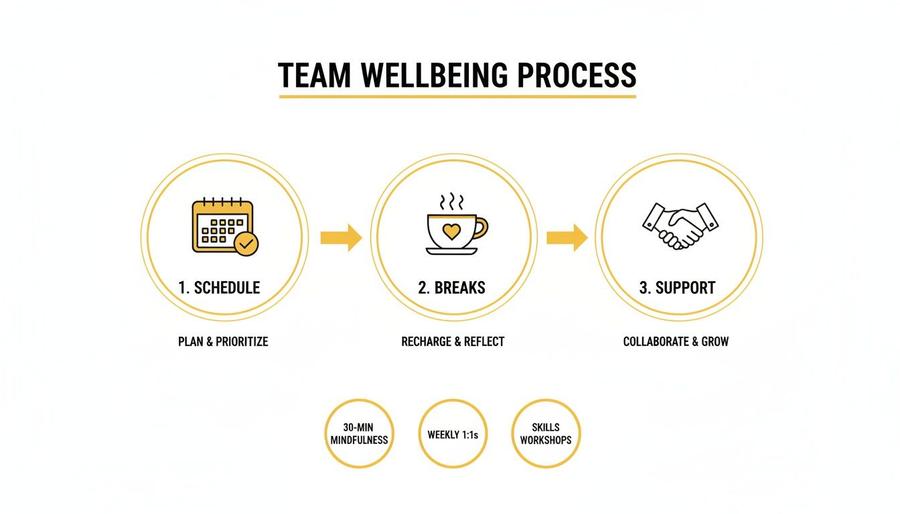
This shows just how foundational your day-to-day operations are. Lasting morale isn’t built on grand gestures. It's built by respecting your team's time and energy, shift after shift.
Defining Your Initiatives and Metrics
Before you launch anything, you have to know what you're trying to achieve. Vague goals like "improve happiness" are impossible to measure and even harder to deliver on. Instead, tie every single initiative to a specific, tangible outcome. This is how you prove the value of your efforts and make smart adjustments along the way.
For example, if burnout is your enemy, you could implement a new scheduling policy that guarantees two consecutive days off. The metric for success isn't just a "feeling"—it's a measurable drop in sick days or a reduction in last-minute shift change requests.
An action plan turns good intentions into deliberate progress. It provides a roadmap that holds you accountable and shows your team that you are serious about making lasting improvements.
Here’s a simple way to structure your thinking for each initiative you tackle:
- The Goal: What specific problem are you trying to solve? (e.g., "Reduce weekend server turnover by 20%.")
- The Action: What specific change will you make? (e.g., "Launch a 'Kudos' channel in Slack for peer-to-peer recognition.")
- The Metric: How will you measure success? (e.g., "Track the number of recognitions shared weekly and compare turnover rates month-over-month.")
- The Owner: Who is responsible for driving this? (e.g., "The FOH Manager.")
This framework keeps every action purposeful. For more strategies on revitalizing your team, this guide on How to Improve Employee Morale and Reignite Your Team's Spark is packed with actionable steps.
To help you get started, here's a template you can adapt. Don't overcomplicate it. Just pick one or two high-impact areas and build momentum from there.
Morale Improvement Action Plan Template
Initiative Goal Key Actions Metric for Success Timeline New Recognition Program Increase positive feedback and make staff feel valued. - Create a "Shout-Out" board in the breakroom.
- Add a "Team Member of the Month" award.
- Train managers on giving specific praise. - 25% increase in positive mentions in pulse surveys.
- Track monthly turnover reduction. Q3 Scheduling Fairness Reduce burnout and last-minute call-outs. - Post schedules two weeks in advance.
- Implement a clear and fair shift-swapping process.
- Guarantee two consecutive days off for FT staff. - 15% reduction in sick days used.
- Track number of unfilled shifts per week. By July 1, 2024 Leadership Training Improve manager-employee communication and trust. - Hold bi-weekly 1-on-1s for all team members.
- Send managers to a half-day leadership workshop.
- Implement an open-door policy. - Improved upward feedback scores in annual survey.
- Observe manager interactions on the floor. Q3 - Q4
This isn't just a document; it's your playbook for building a culture that becomes a true competitive advantage. A clear plan empowers your team and shows them you're invested for the long haul.
Common Questions on Turning Morale Around
Working through the tough stuff of team dynamics always brings up questions. Here are some straight-shooting answers to the challenges I see managers facing all the time when it comes to morale.
Where Do I Even Start if Morale Is in the Gutter?
When the energy is low and the team feels disconnected, your first move isn’t to launch a new program. It's to listen. Seriously.
Before you try to fix anything, get a read on what's actually broken. You can do this with confidential one-on-one chats or a simple, anonymous survey. Guessing what the problem is can backfire and make you look out of touch. Find out what the real pain points are straight from the source.
Once you have a diagnosis, go for a single, high-impact "quick win." This shows the team you’re not just talking; you’re acting. It could be as simple as finally fixing that wobbly prep table everyone complains about or tweaking a frustrating scheduling rule. A small, visible fix builds immediate trust and buys you the goodwill needed to tackle the bigger, long-term cultural shifts.
How Much of a Budget Do I Need for This?
Let's be clear: improving morale isn't about throwing money at the problem with expensive perks. Many of the most powerful strategies cost absolutely nothing. Think about it—giving specific, timely praise or creating a simple peer-to-peer shout-out system on a whiteboard is free. The real investment here is your time and your consistency.
That said, a small, dedicated budget can amplify your efforts. You don’t need much. Consider things like:
- A modest gift card for a "Team Member of the Month" program.
- Covering the cost of a small certification or workshop for a promising employee.
- Bringing in lunch for a team-building session.
Start small. Focus on being consistent, not on being expensive.
How Long Until I See a Real Difference?
You'll likely get a small, immediate boost from those quick wins, which is great for building momentum. But creating a genuinely high-morale culture that sticks? That's a marathon, not a sprint. It’s a commitment, not a one-off project.
Realistically, it can take three to six months of consistent effort to see meaningful, lasting changes in things like staff turnover or engagement.
Remember, you're rebuilding trust, and trust doesn't happen overnight. It's the small, authentic actions, repeated day in and day out, that truly change a workplace. Be patient and make sure you're celebrating the small signs of progress along the way.
The goal is to weave these practices into the very fabric of your daily leadership. Morale isn't a box you check off a list. It's the natural outcome of a healthy, supportive, and respectful environment that you and your team build together, every single shift.
MAJC is a community-driven platform built by lifelong hospitality operators to help teams like yours hire better, retain longer, and run smarter. Access expert-led training, practical tools, and a peer community to build a culture that thrives. Start building your high-morale team today.