

On this page 24 sections
- 1. Local Business Partnerships and Co-Marketing
- How to Implement This Tactic
- 2. Community-Hosted Workshops and Educational Events
- How to Implement This Tactic
- 3. Local SEO and Google Business Profile Optimization
- How to Implement This Tactic
- 4. Hyperlocal Social Media Community Building
- How to Implement This Tactic
- 5. Strategic Podcast and Audio Content Local Distribution
- How to Implement This Tactic
- 6. Local Influencer and Operator Ambassador Program
- How to Implement This Tactic
- 7. Geo-Targeted Digital Advertising and Retargeting
- How to Implement This Tactic
- 8. Strategic Email Marketing and Local Newsletter Development
- How to Implement This Tactic
- 9. Local PR and Media Relations Strategy
- How to Implement This Tactic
- 10. Content Marketing and Localized Blog Strategy
- How to Implement This Tactic
- 10-Point Comparison: Local Marketing Tactics
- Putting Your Local Strategy into Action
- Key Takeaways for Immediate Impact
- Your Actionable Next Steps
In the bustling world of hospitality, the most loyal guests are often the ones closest to home. While digital trends can span the globe, the heart of a successful restaurant beats with the pulse of its local community. How do you tap into that energy effectively? It is about more than just a sign in the window; it is about weaving your brand into the very fabric of your neighborhood and becoming a cornerstone of daily life for the people who live and work nearby. Capturing this audience requires a dedicated strategy built on connection, visibility, and genuine community engagement.
This guide moves beyond generic advice to provide a comprehensive playbook of 10 proven local marketing tactics designed specifically for restaurant and hospitality operators. Each tactic is broken down into actionable steps, realistic budget and effort expectations, and clear key performance indicators (KPIs) to measure your success. To lay a solid foundation for your efforts in local marketing, consider exploring a comprehensive A Practical Guide to Digital Marketing for Local Business for broader digital principles.
We will explore everything from forging powerful business partnerships and mastering hyperlocal SEO to building an engaged social media community and leveraging geo-targeted advertising. Whether you are a single-unit operator or a multi-unit franchise group, these strategies will equip you to not just reach your local audience, but to build lasting relationships that turn neighbors into regulars. Let’s dive into the tactics that will help you win big, right around the corner.
1. Local Business Partnerships and Co-Marketing
Strategic partnerships are a cornerstone of effective local marketing tactics. This approach involves collaborating with nearby, non-competing businesses to cross-promote services, share audiences, and create mutually beneficial marketing campaigns. For a restaurant, this could mean teaming up with a local brewery, a nearby theater, or even a boutique hotel.
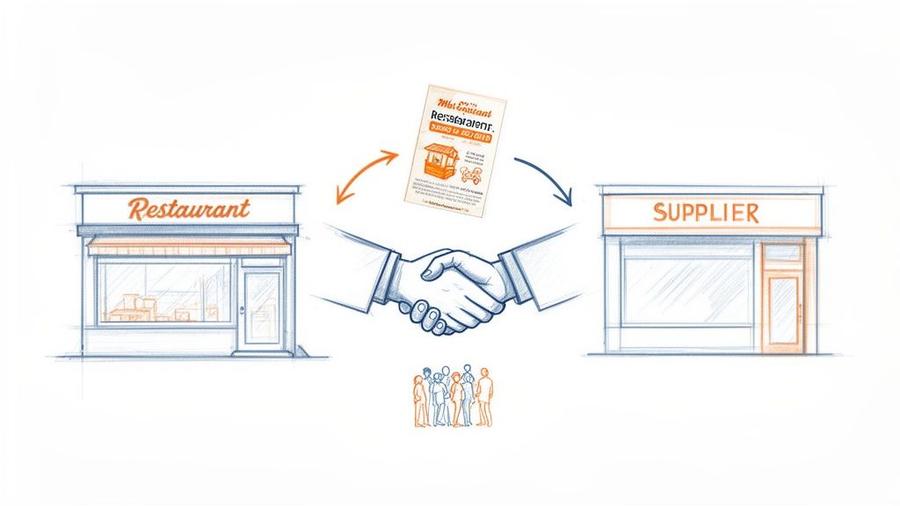
These collaborations work because they tap into an existing, trusted customer base. A recommendation from a respected local business feels more genuine than a traditional ad, fostering immediate credibility and expanding your reach organically within the community. In fact, referrals remain one of the most trusted forms of advertising, with 92% of consumers trusting recommendations from people they know.
How to Implement This Tactic
- Identify Potential Partners: Brainstorm businesses that share your target audience. Think beyond the obvious: a high-end restaurant could partner with a luxury car dealership, or a family-friendly cafe could work with a children's bookstore.
- Develop a Compelling Offer: Create a joint promotion that benefits both businesses and their customers. Examples include a "dinner and a movie" package with a local cinema or co-hosting a wine-tasting event with a nearby vineyard.
- Create a Formal Agreement: Outline the responsibilities, promotional activities, and duration of the partnership in a clear, written agreement. This ensures everyone is aligned on expectations and deliverables.
- Promote the Partnership: Announce the collaboration across all channels, including social media, email newsletters, and in-store signage. Tag your partner in all posts to leverage their audience.
For MAJC, this means partnering with restaurant supply companies to co-host hiring fairs or collaborating with hospitality associations to offer member-exclusive training modules. These alliances position MAJC as an integrated solution for the local industry's most pressing challenges. By working together, businesses create a stronger community ecosystem that encourages local spending and loyalty.
2. Community-Hosted Workshops and Educational Events
Hosting educational events positions your brand as a community leader and industry expert. This tactic involves organizing in-person or hybrid workshops and training sessions focused on solving key challenges for your target audience, such as hiring, retention, and operational efficiency. For a B2B company like MAJC, this means moving beyond sales pitches to provide genuine, actionable value.
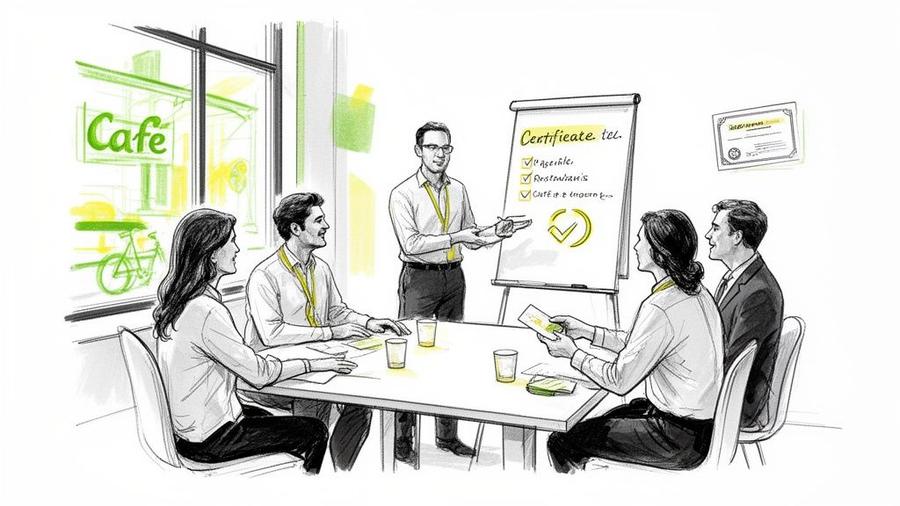
This approach is highly effective because it builds trust and authority. By offering solutions to pressing industry problems for free, you attract a highly qualified audience of local operators and managers. This creates a powerful lead generation funnel built on goodwill and shared expertise, making it one of the most impactful local marketing tactics available.
How to Implement This Tactic
- Choose a Relevant Topic: Identify the biggest pain points for local operators. Focus on subjects like "Mastering Local Hiring" or "Building a Retention-Focused Culture" to attract attendees seeking real solutions.
- Select the Right Venue and Time: Host events in locations convenient for your audience, such as central business districts. Schedule them during off-peak hours, like mid-afternoons on a Tuesday, when managers are more likely to be available.
- Feature Local Experts: Build credibility by inviting successful local restaurant operators or managers to speak as panelists. Hearing from a respected peer makes the content more relatable and trustworthy.
- Promote and Capture Leads: Market the event through local hospitality associations, social media, and email. Use a simple registration form to capture attendee information for follow-up nurturing and to offer exclusive trials or demos.
For MAJC, this translates to hosting a "Hiring Mastery" workshop in a major market like Chicago, featuring a panel of successful local MAJC members. By providing a forum for education and networking, MAJC establishes itself not just as a software provider, but as an indispensable partner in the local hospitality community's success.
3. Local SEO and Google Business Profile Optimization
Local Search Engine Optimization (SEO) is the art and science of making your business highly visible in local search results. For a company like MAJC, this means ensuring that when a restaurant operator searches for "restaurant hiring solutions in Chicago" or "staff training programs near me," your services appear prominently. This tactic focuses on optimizing your digital footprint, especially your Google Business Profile (GBP), to attract relevant, geographically-targeted customers.
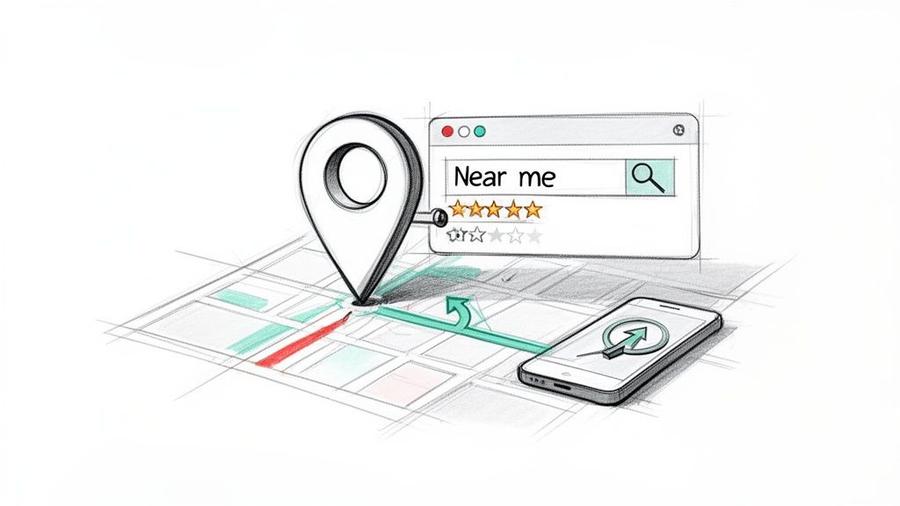
This strategy is powerful because it connects you with potential clients at the exact moment they are actively seeking your services. A strong local SEO presence builds credibility and drives high-intent traffic, as users searching with local keywords are typically ready to engage. In fact, nearly one-third of all mobile searches are related to location.
How to Implement This Tactic
- Claim and Optimize Your Google Business Profile: Your GBP is the foundation of local SEO. Fill out every section completely, including services, hours, photos, and a detailed business description using relevant keywords.
- Target Local Keywords: Create city-specific landing pages or blog posts addressing local challenges. For example, develop content around "how to hire restaurant managers in NYC" that features MAJC's solutions.
- Build Local Citations: Ensure your business name, address, and phone number (NAP) are consistent across all online directories, such as Yelp, TripAdvisor, and local business associations. Consistency is crucial for search engine trust.
- Generate and Respond to Reviews: Actively encourage satisfied clients to leave reviews. Positive feedback significantly impacts local search rankings. To truly optimize your online presence and attract more customers, consider reading our guide on Mastering Google Business Reviews.
For MAJC, this means creating localized landing pages for major restaurant hubs like Chicago, Austin, and Miami. By publishing blog content that addresses city-specific hiring challenges and ensuring a robust, review-filled Google Business Profile, MAJC can dominate local search results. This approach positions MAJC as the go-to resource for area operators, a key element explored in our broader guide to online marketing for hotels and hospitality.
4. Hyperlocal Social Media Community Building
Building a digital community is one of the most powerful local marketing tactics for fostering deep, authentic connections. This strategy involves creating and nurturing private or semi-private online spaces, like Facebook Groups or LinkedIn communities, specifically for hospitality professionals within a single city or neighborhood. It is about creating a town square where operators, managers, and staff can share challenges, celebrate wins, and find solutions together.
These groups work because they are built on relevance and trust. A restaurant manager in Denver faces different hiring challenges than one in Miami. By creating city-specific forums, the conversations are hyper-relevant, the advice is immediately applicable, and the networking feels genuine. Members are not just passive followers; they are active participants in a supportive local ecosystem.
How to Implement This Tactic
- Choose a Platform and Market: Start with one city where you have a strong customer base. Facebook Groups are excellent for broad community building, while LinkedIn Groups are ideal for connecting with owners and senior leaders.
- Establish Clear Guidelines: Set the tone from day one. Create and pin a post with community rules that encourage supportive discussions and prohibit spam or overly promotional content. This maintains the group's value.
- Seed Conversations and Drive Engagement: Do not wait for conversations to happen. Post engaging questions, relevant local industry news, and member success stories at least three to five times per week. Use recurring themes like "Hiring Wins Wednesday" to create predictable engagement.
- Empower Community Advocates: Identify your most active members and invite them to become moderators or community ambassadors. This empowers local leaders and helps scale moderation as the group grows.
For MAJC, this means launching groups like the "MAJC Denver Restaurants" Facebook Group, a space for over 2,000 members to discuss local labor trends and vendor recommendations. By hosting these conversations, MAJC becomes an indispensable resource, using feedback from the group to beta-test new platform features and ensure its solutions meet the real-world needs of local operators.
5. Strategic Podcast and Audio Content Local Distribution
Audio content, particularly podcasts, has become a powerful medium for connecting with niche audiences during their daily routines, like commutes or kitchen prep. This local marketing tactic involves taking existing audio content and strategically adapting and distributing it to specific geographic markets. For a brand like MAJC, this means localizing its Restaurant Ready and Serving Success podcasts to address the unique hiring challenges and success stories of operators in cities like Boston, Atlanta, or Miami.
This approach works because it transforms a broad-topic podcast into a hyperlocal resource. Hearing from a peer in their own city builds immediate relevance and trust, making the content feel less like a national broadcast and more like a community conversation. It is an effective way to reach restaurant managers and staff where they are already listening, offering solutions that feel personal and geographically attainable.
How to Implement This Tactic
- Feature Local Voices: Invite successful local restaurant operators or managers who use your services to be guests on your podcast. Frame episodes around their specific market, such as, "How Atlanta's Top Restaurants Are Tackling Turnover."
- Create Localized Titles and Descriptions: Optimize episode titles for local search by including the city or market name. This simple change significantly boosts visibility for operators searching for solutions in their area.
- Partner with Local Media: Collaborate with local hospitality-focused radio shows or podcasts for cross-promotion. You can offer to provide short, daily "MAJC Hiring Tip" segments in exchange for a mention of your full podcast episode.
- Promote Geotargeted Clips: Edit episodes into short, impactful clips (30 to 60 seconds) for platforms like TikTok, Instagram Reels, and LinkedIn. Use geotargeting to ensure these clips are shown to restaurant professionals in the relevant city.
For MAJC, this means an episode featuring a Boston-based restaurant manager can be repurposed into a local case study, several social media video clips for the Boston market, and a promotional spot on a New England food podcast. This integrated strategy establishes MAJC as a vital, on-the-ground resource, demonstrating a clear understanding of the distinct challenges faced by each local hospitality scene.
6. Local Influencer and Operator Ambassador Program
Leveraging a local ambassador program is one of the most authentic local marketing tactics available. This strategy involves recruiting respected local restaurant owners, executive chefs, and hospitality leaders to become brand advocates. These individuals use their established credibility and professional networks to share success stories, generate authentic word-of-mouth marketing, and drive new business from within the community.
This approach is powerful because it relies on peer-to-peer trust, which is far more persuasive than traditional advertising. When a successful multi-unit operator shares how a tool solved their staffing issues, their endorsement carries immense weight with other operators facing the same challenges. It turns your best customers into your most effective marketers.
How to Implement This Tactic
- Identify Potential Ambassadors: Look for existing customers who are already successful with your platform and have strong local credibility. Ideal candidates are active in industry associations, have a solid professional network, and are passionate about operational excellence.
- Develop a Structured Program: Create a formal program with clear expectations, goals, and recognition criteria. Consider tiered levels (e.g., Bronze, Silver, Gold) with escalating benefits and requirements to motivate participation and growth.
- Provide an Ambassador Toolkit: Equip your ambassadors for success. Develop a comprehensive toolkit with ready-to-use social media templates, approved marketing copy, high-quality graphics, and unique referral links to make promotion easy and consistent.
- Establish a Reward System: Offer a competitive commission or reward structure tied directly to referral success. This could include a percentage of each new membership, exclusive access to new features, or performance-based bonuses. For example, an ambassador like an experienced general manager could earn a significant side income based on their referrals.
For MAJC, this means recruiting operators like James, a successful multi-unit owner in Houston who hosts monthly "MAJC Member Meetups." It also means empowering ambassadors with exclusive training to deepen their expertise, featuring them in case studies, and creating a community where they can network and share best practices. This transforms influential local leaders into an authentic, grassroots marketing force.
7. Geo-Targeted Digital Advertising and Retargeting
Geo-targeted digital advertising allows you to deliver precision marketing campaigns to potential customers within a specific geographic area. Using geofencing, location-based targeting, and demographic filters on platforms like Google, Facebook, and LinkedIn, you can reach restaurant owners, managers, and key decision-makers right in your local market.
This approach eliminates wasted ad spend by focusing your budget exclusively on the most relevant local audience. Instead of casting a wide, expensive net, you can serve ads directly to hospitality professionals searching for hiring solutions or visiting industry-specific locations, making it one of the most efficient local marketing tactics available.
How to Implement This Tactic
- Define Your Target Area and Audience: Identify high-priority markets, such as metropolitan areas with a high density of restaurants. Create distinct audience segments, such as restaurant owners, general managers, or HR professionals, based on job titles and interests.
- Choose Your Platforms: Select the right channels for your goals. Use Google Local Services Ads for high-intent searches like "hospitality hiring software," and leverage Facebook or LinkedIn for hyper-targeted campaigns aimed at specific job titles within a five-mile radius of a major restaurant district.
- Develop Location-Specific Creative: Craft ad copy and visuals that resonate with the local market. Highlight local success stories, feature case studies from nearby restaurants, or reference regional hiring challenges to make your message more relevant and compelling.
- Implement Retargeting and Tracking: Set up conversion tracking to measure sign-ups, demo requests, and trial activations. Use a retargeting pixel to show follow-up ads to professionals who visited your website but did not convert, keeping your brand top-of-mind.
For MAJC, this means running LinkedIn campaigns targeting "Restaurant General Manager" titles in the Los Angeles area or creating Facebook ads for users within a certain radius of restaurant supply hubs. By combining this with retargeting ads shown to website visitors who viewed job posting features, MAJC can create a persistent and highly relevant local presence that drives qualified leads.
8. Strategic Email Marketing and Local Newsletter Development
Building a direct line of communication with your local audience is one of the most powerful local marketing tactics available. This involves creating segmented, localized email campaigns and newsletters that deliver valuable, market-specific content, exclusive offers, and community news directly to the inboxes of local operators and managers.
This strategy works because it moves beyond generic, one-size-fits-all communication. By tailoring content to a specific city or neighborhood, your emails become a trusted local resource rather than just another promotion. This relevance builds a stronger connection, drives higher engagement, and fosters a loyal community around your brand.
How to Implement This Tactic
- Segment Your Audience by Location: Start by organizing your email list into segments based on city, state, or even neighborhood. This allows you to send highly targeted messages that resonate with each group’s unique context and challenges.
- Create a Local Content Calendar: Plan content that is 60% value and 40% promotion. Value-add content can include local member success stories, market-specific hiring data, or tips for navigating local regulations. Promotional content can feature exclusive local offers or event invitations.
- Personalize the Sender Information: Increase open rates by sending emails from a local community manager’s name or a localized address (e.g., "denver@majc.ai"). This simple change makes the communication feel more personal and less automated.
- Develop Triggered Email Journeys: Set up automated emails based on user behavior. For example, send a welcome series to new local subscribers, a re-engagement campaign to inactive members in a specific city, or follow-up resources after they attend a local workshop.
For MAJC, this means creating city-specific newsletters, such as a "Denver Restaurant Hiring" weekly digest. This could feature local job postings, highlight how a Denver restaurant used MAJC to reduce turnover, and offer early-bird discounts for an upcoming Denver workshop. These targeted communications reinforce MAJC’s value as an indispensable local partner and are a great way to increase repeat business and member loyalty.
9. Local PR and Media Relations Strategy
A local PR and media relations strategy involves proactively engaging with local journalists, bloggers, radio stations, and TV news outlets to secure earned media coverage. Instead of paying for an advertisement, you earn a spot in the news by providing a newsworthy story, expert commentary, or valuable data. For a restaurant, this could be a feature story in the Denver Business Journal or an interview on a local morning show about hiring trends.
This tactic is powerful because it builds credibility and positions your business as a leader in the local community. A news feature or a quote from an expert carries more weight than a traditional ad, establishing trust and authority. This approach is one of the most effective local marketing tactics for showcasing your expertise and telling a compelling story that resonates with a local audience.
How to Implement This Tactic
- Build a Local Media List: Compile a list of local journalists, editors, and producers who cover business, hospitality, and restaurant news. Include their names, outlets, contact information, and the specific topics they cover.
- Develop Newsworthy Angles: Brainstorm story ideas that are relevant to your community. This could be a success story about reducing employee turnover, new data on local hiring challenges, or a unique community event you are hosting.
- Craft a Compelling Pitch: Write a concise and personalized email to journalists on your list. Start with a strong headline, explain why the story is relevant to their audience now, and include key data points or a compelling quote.
- Repurpose Your Coverage: Once you secure media coverage, share it across all your marketing channels. Post the article on your website’s blog, share links on social media, and include snippets in your email newsletter to maximize its impact.
For MAJC, this means positioning member restaurants as local success stories. A headline like, "Denver Restaurant Group Cuts Turnover by 40% Using New Hiring Platform," provides a tangible, newsworthy angle for a business journalist. By equipping operators with data and framing their successes as news, MAJC helps them gain invaluable local exposure.
10. Content Marketing and Localized Blog Strategy
Creating valuable, locally-focused content is one of the most powerful local marketing tactics for establishing authority and attracting your ideal audience. This strategy involves developing SEO-optimized blog posts, guides, and case studies that directly address the unique operational challenges faced by restaurants and hospitality businesses within a specific city or region. Instead of general advice, it provides hyper-relevant, localized solutions.
This approach works because operators search for solutions to problems specific to their market. A blog post titled 'The Complete Guide to Hiring Restaurant Managers in Austin (2024)' will rank for local searches and resonate far more than a generic hiring guide. By providing data-driven, actionable local insights, you build trust and draw qualified organic traffic from decision-makers in your target markets.
How to Implement This Tactic
- Conduct Local Keyword Research: Use SEO tools to identify hiring, retention, and operational keywords combined with city names (e.g., "restaurant staffing challenges Miami," "Philadelphia restaurant labor costs"). Focus on questions operators are actively asking.
- Develop Hyper-Local Content Pillars: Create content that can only be written with local knowledge. This includes local case studies with named restaurants, interviews with successful area operators, and guides featuring local salary data and market trends.
- Optimize for Local Search: Ensure your titles, headers, and body content include the target city and relevant keywords. For instance, a title like "How to Staff Your Summer Rush in San Diego" is highly specific and optimized for local intent.
- Promote Content Locally: Share your articles in local restaurant associations, LinkedIn groups for that city, and tag local businesses or leaders mentioned in the piece. Build relationships by providing value to the local community first.
For MAJC, this means creating in-depth resources like a regional analysis of labor market trends in the Southeast or a case study on how a well-known Dallas restaurant improved retention. This content not only drives targeted organic traffic but also serves as a crucial component of a comprehensive restaurant marketing plan, positioning MAJC as the go-to expert for solving location-specific industry problems.
10-Point Comparison: Local Marketing Tactics
Putting Your Local Strategy into Action
Navigating the landscape of modern marketing can feel overwhelming, but as we have explored, the most impactful connections often happen right in your own neighborhood. The 10 local marketing tactics detailed in this guide are more than just a checklist; they represent a strategic shift towards building a resilient, community-centric business that thrives on genuine relationships, not just fleeting trends. Marketing locally does not mean thinking small. It means thinking smart, targeted, and authentic.
The power of these strategies lies in their synergy. Imagine a potential guest searching for “best patio dining near me.” Your meticulously optimized Google Business Profile (Tactic 3) puts you at the top of their results. They click through to your website and see a blog post (Tactic 10) featuring a recent collaboration with a popular local brewery (Tactic 1). Intrigued, they follow you on Instagram, where they discover your vibrant, hyperlocal community group (Tactic 4) and see a post about an upcoming cooking class you are hosting (Tactic 2). This seamless journey from discovery to engagement is what transforms a casual searcher into a loyal regular.
Key Takeaways for Immediate Impact
To start implementing these local marketing tactics effectively, focus on a few core principles that underpin all successful community-focused efforts:
- Integration is Non-Negotiable: Your local marketing tactics should not operate in silos. Your email newsletter (Tactic 8) should promote your local podcast appearances (Tactic 5), and your geo-targeted ads (Tactic 7) should drive traffic to content created with local influencers (Tactic 6). A cohesive strategy amplifies the results of each individual effort.
- Authenticity Builds Advocacy: From partnering with a neighboring business to featuring user-generated content on social media, every action should feel genuine. Your community can spot a purely transactional approach from a mile away. Invest in real relationships, and your customers will become your most passionate advocates.
- Consistency Creates Momentum: A one-off workshop or a single press mention is good, but sustained effort is what builds lasting recognition. Consistent SEO updates, regular community engagement, and a steady stream of localized content create a powerful momentum that makes your brand the undeniable go-to in your area.
Your Actionable Next Steps
Feeling inspired? The key is to avoid analysis paralysis and take immediate, focused action. Do not try to implement all 10 strategies at once. Instead, choose two or three that align with your current resources, team strengths, and business goals.
Perhaps you have a strong operational team perfect for hosting workshops or a charismatic manager ready to become a local media personality (Tactic 9). Or maybe your digital prowess makes optimizing your Google Business Profile and launching a geo-targeted ad campaign the most logical starting point. Whatever you choose, commit to executing it fully. Define your KPIs, set a realistic budget, and track your results relentlessly. Once you have mastered those initial tactics and can see a clear return on your investment, you can strategically layer in additional efforts to create a comprehensive and formidable local marketing machine.
By investing in these local marketing tactics, you are doing more than just driving sales for the next quarter. You are weaving your brand into the fabric of your community, building a loyal following that will support you through thick and thin. You are creating a business that is not just located in the community but is truly a part of it.
Ready to streamline your operations so you have more time to focus on these high-impact local marketing tactics? MAJC provides the ultimate AI-powered platform for restaurant and hospitality operators, automating everything from scheduling and inventory to training and compliance. Visit MAJC to see how our tools can empower your team and free you up to build the community connections that matter most.